
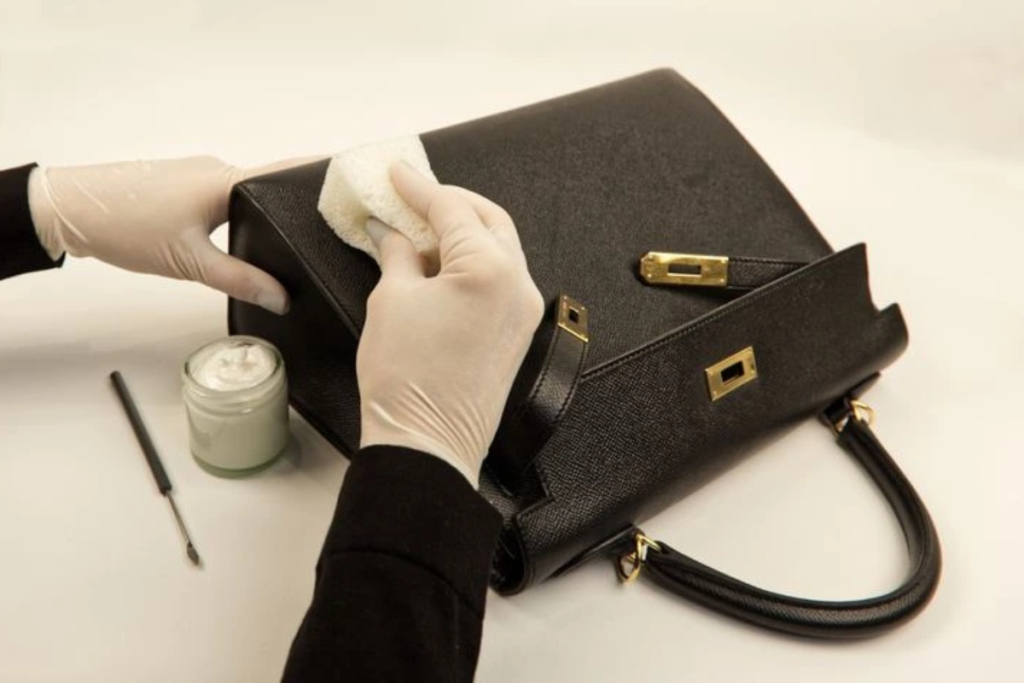
Your favorite bag carries more than just your daily essentials. It carries stains, dust, sweat, and sometimes memories of that coffee spill from three months ago. When the time comes for bag cleaning, you face a common dilemma: DIY bag cleaning or professional bag cleaning? Do you attempt homemade bag cleaning using household products, or do you invest in expert handbag cleaning services? Both do-it-yourself bag care and specialist bag restoration have their loyal followers. But which one actually delivers better stain removal results without damaging your precious accessory? This bag cleaning comparison will help you decide based on bag cleaning cost, safety for leather and fabric bags, cleaning effectiveness, and bag material type — so you can choose the best bag maintenance method for your needs.
Understanding DIY Bag Cleaning
DIY bag cleaning means using household products, over-the-counter cleaners, or homemade solutions to clean your bag at home. This approach is popular among budget-conscious owners and those who enjoy hands-on maintenance.
Pros of DIY Bag Cleaning
Cost-Effective
Most DIY cleaning solutions use items already in your home — mild soap, vinegar, baking soda, or leather conditioner. You can clean a bag for under ₹50.
Immediate Action
No waiting for appointments or shipping. Spilled something on your tote? You can treat the stain within minutes.
Full Control
You decide exactly which products touch your bag. This matters if you prefer chemical-free or eco-friendly cleaning methods.
Learning Experience
Each cleaning teaches you more about your bag’s material and how it reacts to different treatments.
Cons of DIY Bag Cleaning
High Risk of Damage
One wrong product can ruin a bag permanently. Alcohol-based cleaners strip leather dye. Excessive water weakens stitching. Harsh scrubbing removes finish.
Time-Consuming
Proper DIY cleaning can take hours — from spot testing to drying. Multiple rounds may be needed for stubborn stains.
Limited Results
DIY methods rarely remove deep-set stains, mold, or grease completely. Some discoloration becomes permanent after improper home treatment.
No Guarantee
If you damage your bag at home, there’s no refund, no warranty, and no recourse.
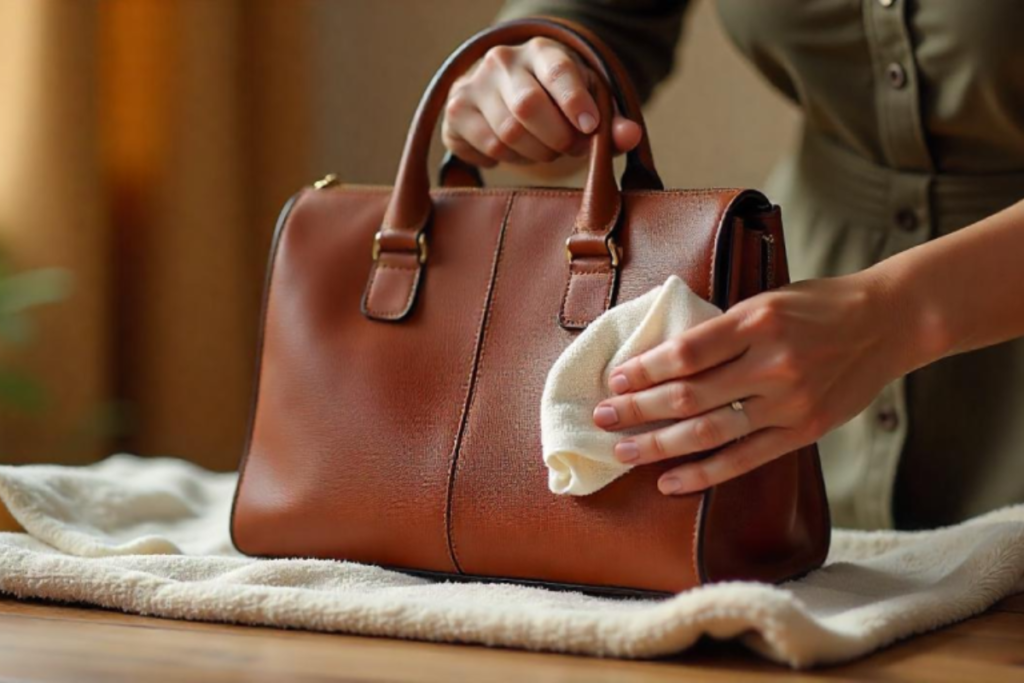
Understanding Professional Bag Cleaning
Professional bag cleaning is performed by trained specialists using industrial-grade equipment, specialized solvents, and techniques tailored to each material. Services range from basic surface cleaning to full restoration.
Pros of Professional Bag Cleaning
Material-Specific Expertise
Professionals identify leather type (full-grain, top-grain, bonded, vegan), fabric weave, and hardware composition before choosing any product.
Deep Cleaning Power
Ultrasonic cleaners, steam machines, and gentle extraction tools remove dirt that DIY methods cannot reach — especially from lining, seams, and crevices.
Stain Specialists
Oil, ink, wine, blood, and dye transfer require specific chemical reactions to break down. Professionals have access to commercial-grade stain removers not available to the public.
Restoration Services
Beyond cleaning, professionals offer color restoration, scratch hiding, edge coating repair, hardware polishing, and odor elimination.
Warranty & Insurance
Reputable services guarantee their work. If damage occurs (rare), they are insured. Some even offer pickup and delivery.
Cons of Professional Bag Cleaning
Higher Cost
Basic cleaning starts around ₹400–800 for small fabric bags. Luxury leather handbags cost ₹1,000–2,500. Full restoration can exceed ₹5,000.
Longer Turnaround
Most services take 5–14 days. Express options cost extra.
Risk of Unqualified Services
Not all “professional” cleaners are equal. Some use harsh chemicals or lack leather training. Always check reviews and ask about their process.
Less Personal Involvement
You cannot watch the process or intervene. Trust is essential.
Which Bag Types Can You Clean at Home?
Safe for DIY
- Nylon & Polyester backpacks – Machine washable on gentle cycle (in a laundry bag)
- Canvas totes – Spot clean with mild soap and soft brush
- Vegan / PU leather – Wipe with damp cloth and mild soap; avoid soaking
- Cotton or linen bags – Hand wash with cold water and air dry
High-Risk for DIY (Consider Professional)
- Luxury leather (Chanel, Hermès, Louis Vuitton) – One wrong product destroys patina or finish
- Suede or nubuck – Water stains easily; requires special brushes and erasers
- Exotic skins (crocodile, ostrich, snake) – Needs specific conditioners and cleaning protocols
- Vintage or unlined bags – Older adhesives and dyes are fragile
- Bags with structural cardboard or glue – Water can warp the shape permanently
When You Should Choose DIY
Choose DIY bag cleaning if:
- Your bag is inexpensive or easily replaceable.
- The stain is fresh and water-soluble (coffee, tea, mud).
- The bag material is machine-washable fabric.
- You have tested your cleaning method on a hidden area first.
- You are willing to accept the risk of minor discoloration.
Example DIY method for canvas bag:
Mix 1 tsp mild dish soap with 2 cups warm water. Dip a soft cloth, wring almost dry, and blot the stain. Never rub. Rinse with a clean damp cloth. Air dry away from direct heat.
When You Should Choose Professional Cleaning
Go professional if:
- The material is suede, exotic leather, or unfinished leather.
- The stain is oil, ink, grease, or red wine.
- The bag has mold, mildew, or persistent odor.
- You want to preserve resale value (luxury bags).
- The manufacturer’s care label says “professional clean only.”
Example professional process for leather bag:
- Dry soil removal with soft brushes
- pH-balanced leather cleaner applied with microfiber
- Stain-specific treatment (oxidation for ink, absorbent powder for oil)
- Rinse with damp cloth
- Leather conditioner to restore oils
- Buff and protect with water-resistant spray
The Verdict: Which One Should You Choose?
Choose DIY if you own everyday bags made of durable, washable materials and you are comfortable testing methods first. DIY is excellent for maintenance cleaning between professional deep cleans. For a typical Indian household, DIY works well for school bags, office backpacks, and jute or cotton totes.
Choose professional cleaning if you own luxury, vintage, suede, or structurally complex bags — or if a stain has set for more than 48 hours. The extra cost (₹800–3,500) is insurance against irreversible damage. In metro cities like Delhi, Mumbai, Bengaluru, and Chennai, professional bag cleaning services are widely available both offline and online.
For most people, the smartest strategy is hybrid care:
- DIY for monthly surface cleaning and minor spots (cost: ₹0–150 per month).
- Professional for annual deep cleaning and stubborn stains (cost: ₹800–2,500 once a year).
Final Tips for Both Methods
- Always read the care tag – Some bags cannot get wet at all.
- Test any cleaner on a hidden spot (inside pocket or bottom corner).
- Never use heat to dry leather or suede — it causes cracking.
- Store bags properly between uses — stuffed with acid-free paper in a dust bag.
- Clean bags every 3–6 months depending on usage frequency.
Your bag works hard for you every day. Giving it the right type of cleaning — whether DIY or professional — will extend its life, preserve its beauty, and save you money on replacements.