
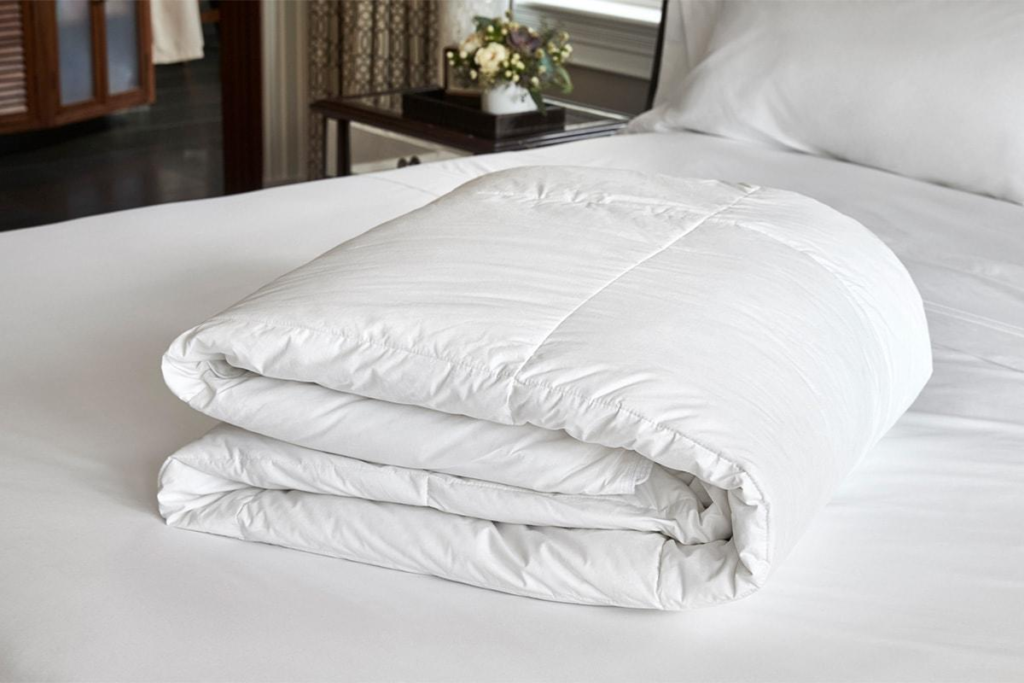
Your bedding works hard all night. It collects sweat, oils, dust mites, dead skin cells, and sometimes even breakfast crumbs. Washing it in a machine seems simple. But what about delicate materials like silk, wool, or high-thread-count Egyptian cotton? That’s where bedding dry-clean becomes a serious consideration.
However, you now face a common dilemma: Should you dry-clean bedding at home using a kit, or pay a professional service to handle it? Both have advantages and risks. This guide breaks down every factor — cost, convenience, fabric safety, cleaning effectiveness, and environmental impact — so you can make the right choice for your sleep sanctuary.
Understanding Bedding Dry-Clean: What Does It Actually Mean?
First, let’s clarify the term. Dry cleaning doesn’t mean “no liquid.” Instead, it uses chemical solvents (like perchloroethylene or newer hydrocarbon-based solvents) instead of water and detergent. This method cleans without shrinking, warping, or damaging delicate fibers.
Common bedding items that benefit from dry cleaning include:
- Silk duvets and sheets
- Wool comforters
- Embroidered or beaded bedding
- Down-filled duvets (without machine-washable labels)
- High-end linen sets
Regular cotton or polyester blends usually do fine in a washing machine. But for luxury or heirloom bedding, professional bedding dry cleaning or a high-quality at-home kit might be necessary.
How to Dry-Clean Bedding at Home: Step-by-Step
At-home dry cleaning is possible using over-the-counter kits like Dryel or Woolite At-Home Dry Cleaner. Here’s exactly how to do it safely.
What You’ll Need:
- Home dry cleaning kit (includes cleaning cloths/ pads and a special bag)
- Tumble dryer
- Stain remover (often included)
Step 1: Spot-Treat Stains
Check your bedding for visible stains. Apply the kit’s stain remover and gently dab (don’t rub). Let it sit for 5 minutes.
Step 2: Load the Special Bag
Place 2–4 bedding items into the provided plastic bag. Do not overload. Add the pre-moistened cleaning cloth.
Step 3: Tumble Dry on Medium Heat
Set your dryer for 15–30 minutes (follow kit instructions). The heat activates the solvent, lifting dirt and odors.
Step 4: Air Out Immediately
Remove bedding from the bag right away. Hang or lay flat to air out for 10–15 minutes. This prevents solvent residue from settling into fibers.
Pros of At-Home Dry Cleaning
- Low cost (10–10–15 per kit, usable for multiple loads)
- Convenient — do it anytime
- No travel or waiting
Cons of At-Home Dry Cleaning
- Limited stain removal power
- Not suitable for heavy soiling or odors
- Risk of heat damage to ultra-delicate fabrics
- Only cleans surface-level dirt
Verdict: Home dry cleaning works for lightly soiled bedding and between deep cleanings. For heavy usage or allergies, it’s not enough.
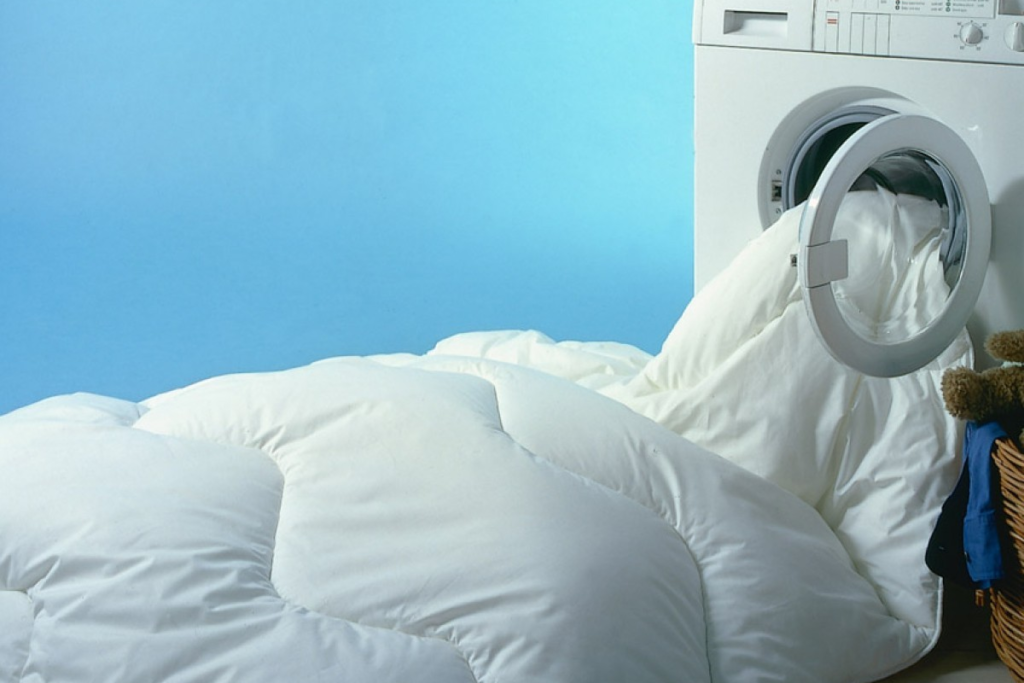
Professional Bedding Dry-Clean: What to Expect
Professional dry cleaners use industrial machines, multiple solvent options, and trained staff. Here’s the typical process when you bring in your bedding.
Step 1: Inspection & Tagging
The cleaner checks for stains, tears, or buttons. They tag each piece for tracking.
Step 2: Pretreatment
Stains get treated with specialized solutions. Different stains (oil, wine, blood) require different chemicals.
Step 3: Machine Dry Cleaning
Items go into a large dry cleaning machine that rotates in solvent, then extracts it. No water, no shrinking.
Step 4: Post-Cleaning Finishing
Your bedding is pressed, steamed, or folded. Some services offer sanitizing UV or ozone treatments.
Pros of Professional Dry Cleaning
- Deep cleaning removes embedded dirt and bacteria
- Professional stain removal expertise
- Safe for all fabrics (cleaner selects correct solvent)
- Sanitizing options kill dust mites and allergens
- Ironing/pressing included
Cons of Professional Dry Cleaning
- Higher cost (20–20–60 per bedding set)
- Takes 2–5 days (or extra for rush service)
- Harsh chemicals possible unless you request “green” cleaning
- Risk of loss or damage (rare but possible)
Verdict: Professional bedding dry-clean services are ideal for expensive, delicate, or heavily soiled bedding, especially duvets and silk sheets.
Head-to-Head Comparison: At-Home vs. Professional Dry Cleaning
| Factor | At-Home Kit | Professional Service |
| Cost per use | 3–3–7 | 20–20–60 |
| Time investment | 30–45 minutes + drying | 2–5 days (or rush 24h) |
| Fabric safety | Medium (heat risk) | High (solvent choice) |
| Stain removal | Low (light only) | High (industrial grade) |
| Allergen removal | Low | High (often with sanitize option) |
| Convenience | Very high (do at home) | Low (drop-off/pickup) |
| Best for | Lightly used sheets, duvet covers | Silk, wool, down, heavily soiled bedding |
Which Method of Bedding Dry-Clean Makes Your Bedding Last Longer?
This is a critical question. Frequent professional dry cleaning can actually shorten the life of some fabrics due to chemical exposure. On the other hand, improper at-home dry cleaning (too much heat, overcrowding) can melt or distort fibers.
Best practice for longevity:
- Dry clean professionally once or twice a year for deep cleaning.
- Use at-home kits between professional cleanings for freshening.
- Always check fabric care labels — if it says “dry clean only,” never risk water or home kits.
For allergen sufferers: Professional cleaning with a green solvent (like liquid silicone or wet cleaning) removes 99% of dust mites. At-home kits cannot achieve that.
Prices vary by city and cleaner.
Savings tip: Many professional cleaners offer 15–20% discounts for drop-off during off-peak days (Tuesday–Wednesday).
Final Verdict: Which Method Should You Choose?
Choose at-home bedding dry-clean if:
- Your bedding is lightly used and mostly clean.
- You need a quick refresh between deep cleanings.
- You’re on a tight budget.
- The care label says “dry clean” but also “low heat tumble.”
Choose professional bedding dry cleaning if:
- Your bedding is silk, wool, down, or heavily embroidered.
- There are visible stains (oil, blood, wine).
- You have allergies or asthma.
- You want pressing and folding included.
- The bedding is oversized (king duvet, thick comforter).
Frequently Asked Questions
Can I dry-clean all bedding at home?
No. Anything labeled “dry clean only” should never go into a home kit’s dryer. The heat can ruin it. Take it to a pro.
How often should bedding be dry-cleaned?
- Sheets: Every 2–3 months if dry cleaning (but washing is better for cotton)
- Duvets/comforters: Twice a year
- Silk bedding: Every 3–4 uses or seasonally
Is dry cleaning bedding safe for babies?
Yes, but request non-toxic, perc-free cleaning. Many professionals offer eco-friendly options.
Does dry cleaning shrink bedding?
No — that’s the advantage over washing. Professional dry cleaning uses no water, so shrinking is nearly impossible.
Final Thoughts
The choice between at-home and professional bedding dry-clean methods comes down to three things: fabric type, soil level, and budget. For everyday freshness, an at-home kit is fine. But for deep cleaning, stain removal, and fabric safety — especially with luxury bedding — professional service wins.
If you can afford it, schedule a professional cleaning twice a year for your duvets and comforters. In between, use at-home kits for sheets and pillowcases. Your bedding will last longer, smell fresher, and give you better sleep.
Now check your bedding labels and choose wisely. Your nose — and your morning allergies — will thank you.